Corrective Chiropractic vs. Symptom-Based Care: What’s the Difference?

Symptom-Based Care: “Make the Pain Go Away”
Symptom-based care focuses on managing discomfort after it shows up.
This approach often looks like:
waiting until pain flares up
seeking quick relief
stopping care once symptoms improve
While this can temporarily reduce headaches, back pain, or neck pain, it doesn’t address the underlying cause—subluxations and structural imbalance in the spine.
Pain is often the last sign of a problem, not the first.
By the time symptoms appear, dysfunction has usually been developing silently for years.
Corrective Chiropractic: “Restore Function First”
Corrective chiropractic takes a different approach.
Instead of chasing symptoms, we focus on:
spinal alignment
nervous system function
posture correction
long-term structural stability
The goal of corrective chiropractic is not just to help you feel better—but to help your body function better.
That’s where the long-term chiropractic benefits come from.
Why Pain Relief Alone Doesn’t Last
Pain improves when stress is reduced—but if the spine remains misaligned, the stress returns.
Without correction:
posture remains distorted
joints continue to wear down
nerve communication stays compromised
degeneration progresses
This is why pain often comes back in cycles.
Corrective chiropractic interrupts that cycle by addressing the cause—not just the symptom.
The Role of the Chiropractic Adjustment
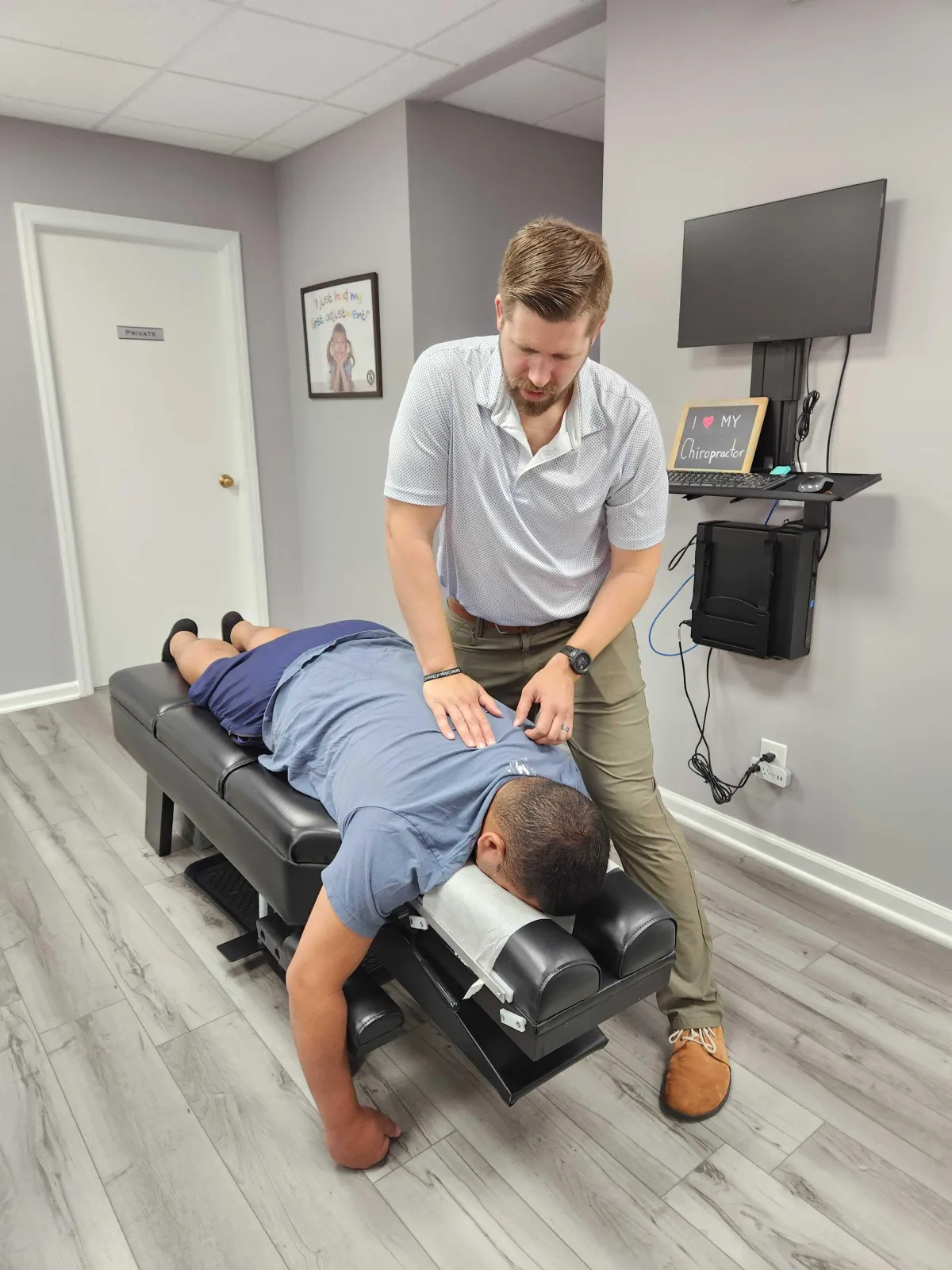
A chiropractic adjustment restores proper motion to the spine and reduces nerve interference.
In symptom-based care, adjustments are often:
sporadic
reactive
focused only on the area that hurts
In corrective care, adjustments are:
specific
consistent
structured
progressive
Each adjustment builds on the last, allowing the spine and nervous system to relearn proper function over time.
Why Chiropractic Care Plans Are Structured the Way They Are
At SoVita Chiropractic Morristown, our chiropractic care plans are intentionally designed in phases.
Phase 1: Relief & Stabilization
Reduce pain, inflammation, and tension
Begin restoring motion
Calm the nervous system
Phase 2: Correction
Improve posture
Correct subluxations
Restore spinal curves
Slow or stop degeneration
Phase 3: Wellness & Maintenance
Maintain spinal integrity
Improve resilience to stress
Support long-term health and function
This structure isn’t arbitrary—it reflects how the body heals.
Corrective Chiropractic During Pregnancy
Pregnancy places unique stress on the spine and pelvis.
Symptom-based care may offer temporary relief from pregnancy-related back pain or neck pain, but corrective care—especially using the Webster Technique—addresses pelvic balance and nervous system function.
Webster Technique adjustments help:
balance the pelvis
reduce ligament tension
support optimal nerve flow
create better conditions for baby and mom
Corrective chiropractic during pregnancy supports comfort now and healthier outcomes long-term.
From Headaches to Healthier Function
Many patients come in for headaches and stay for something far greater—better posture, better energy, better sleep, and improved overall health.
That’s because chiropractic isn’t just about pain relief.
It’s about helping your body operate at its highest potential.
When the nervous system functions better:
pain decreases
headaches become less frequent
posture improves
stress tolerance increases
healing accelerates
Why Commitment Matters
Correction takes time.
Spinal patterns develop over years, not days.
Consistent care allows your body to create lasting change, not temporary relief.
Patients who commit to corrective chiropractic often say:
“I didn’t realize how much better my body could actually function.”
That’s the difference.
Which Approach Do You Want for Your Health?
If you’re tired of chasing symptoms and ready to build long-term health, corrective chiropractic may be the missing piece.
SoVita Chiropractic Morristown
Helping patients move from pain relief to lasting function.


